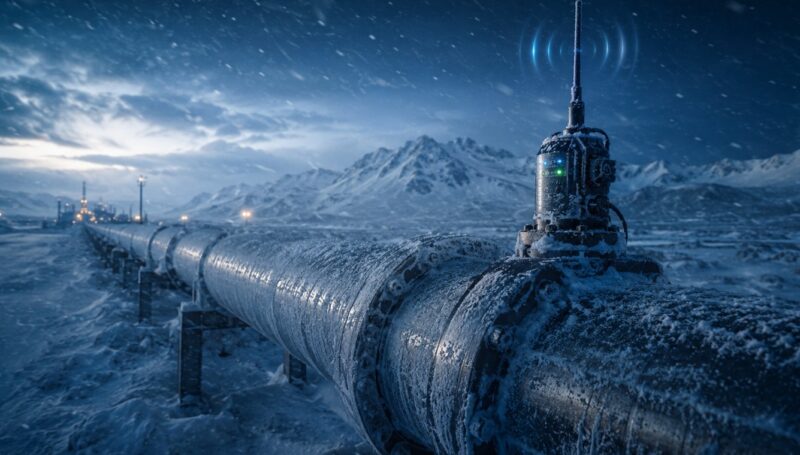
A temperature sensor sits on an oil pipeline in Alaska. The temperature is minus 40 degrees.The wind is blowing fiercely at seventy miles per hour. Ice coats everything. Yet that sensor keeps sending data to Houston every 15 minutes. This happens thousands of times every day across America. Remote equipment survives conditions that would kill your smartphone in seconds. The engineering behind this near-magic took decades to perfect, and it’s still getting better.
Where Standard Technology Fails
Ever drop your phone in water? Game over. Leave your laptop in a hot car? Good luck turning it on. Consumer electronics are wimps. They need climate control, gentle handling, and a steady diet of electricity. Industrial sites laugh at gentle handling. Salt air eats metal for breakfast. Dust storms bury solar panels. Hurricanes tear antennas from towers. During flood season, equipment can be submerged for weeks, then endure 130-degree heat all summer.
Miles of empty space separate remote assets from the nearest network connection. Your home Wi-Fi barely reaches the garage. Sensors must transmit data over varied terrain. Cell towers? Maybe one shows up every hundred miles if you’re lucky.Then there’s the power problem. Running electrical cables to every sensor would cost millions. Winter diminishes solar panel effectiveness. Batteries, like electronics, dislike extreme temperatures. Everything fights against you.
Engineering for the Impossible
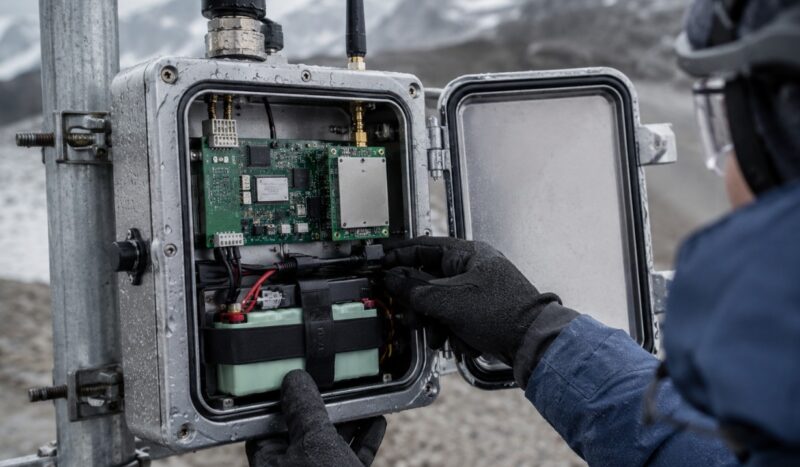
The engineers who design remote monitoring equipment are part scientist, part magician. They build electronics like medieval knights built armor. Layer after layer of protection. First comes the housing. Thick aluminum or stainless steel. Cold-resistant rubber gaskets.Watertight pressure-equalizing vents. Some enclosures get filled with nitrogen to prevent condensation. Others use gel that surrounds electronics like protective jelly.
Conformal coating on circuit boards resembles clear nail polish. It’s waterproof, chemical-resistant, and salt-air-proof. Components are chosen for toughness, not speed. A processor that runs slower but survives anything beats a fast chip that dies in the heat. Power consumption drops to almost nothing through clever tricks. Sensors wake up, take a reading, transmit data, then sleep for hours. Like bears hibernating between meals. Some equipment runs for five years on batteries you could hold in one hand.
Connectivity Against All Odds
Cellular modems changed everything for remote monitoring. They’re tough as nails and work almost anywhere. Industrial cellular modems have bigger antennas and better range. They lock onto weak signals your phone wouldn’t even notice. The Industrial Internet of Things became real when cellular networks reached remote industrial sites, and pioneers like Blues IoT built connectivity solutions specifically for places where Wi-Fi fears to tread.
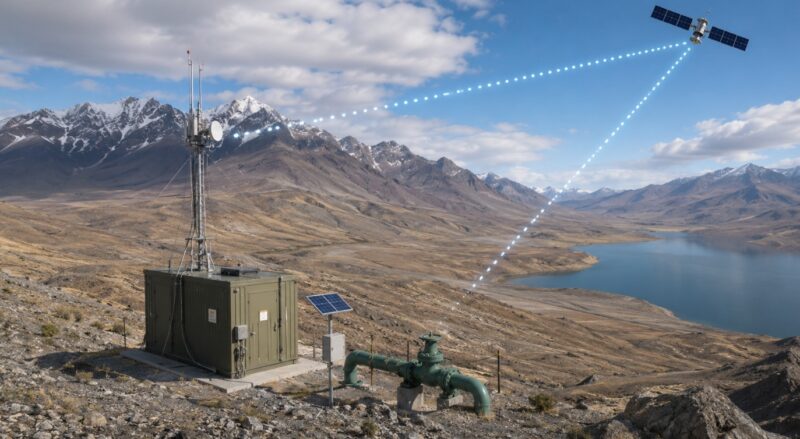
Mesh networking adds another layer of reliability. Information is passed neighbor-to-neighbor by sensors until an internet connection is found. Break one link? The data finds another path. Satellites fill the last gaps. New satellites orbit lower and respond faster. Prices became much more affordable. Antarctica has internet now. So does the middle of the Pacific Ocean.
Success Stories Multiply
When a water pump fails in Death Valley, technicians know immediately. They show up with the right replacement parts. The pump gets fixed before anyone loses water.Storm sensors on radio towers measure wind speed during hurricanes while forecasters sit safely miles away. Bridge monitors detect tiny shifts in concrete that predict problems years early. Pipeline sensors smell gas leaks smaller than what humans could detect standing right next to them.
Conclusion
Remote assets don’t care about harsh environments anymore. Smart engineering and stubborn determination solved problems everyone said couldn’t be solved. Sensors thrive where humans can’t survive. Networks reach beyond the edge of nowhere. Tomorrow’s remote monitoring will make today’s seem primitive, but right now, we’re living in an age where anything can be connected anywhere.