
A product can have attractive packaging, clear branding and a professional label, but a missing batch number or unreadable expiration date can still create serious problems.
Manufacturers use batch codes to identify when and how products were made. Date markings help businesses manage stock and give customers information about product quality or safe use, depending on the type of product.
Adding these details does not require expensive industrial equipment. Small businesses can use printed labels, stamps or portable coding machines, while larger manufacturers often automate the process.
The important part is choosing a marking method that produces accurate, readable information that remains on the packaging throughout storage and distribution.
What Is the Difference Between a Batch Number and an Expiration Date?
A batch number, sometimes called a lot number, identifies a group of products manufactured or packaged under defined conditions.
For example, a company producing bottled cleaning products might assign one batch code to the units filled during a particular production run.
If a manufacturing problem is discovered later, the company can use that code to identify affected products without automatically treating every unit ever manufactured as defective.
An expiration date serves a different purpose. It identifies a date associated with the expected shelf life or permitted use of a product.
The following markings should not be confused.
Businesses should establish what each marking represents before printing it. A production date is not automatically an expiration date, and a batch number cannot replace a required use by date.
Choose the Right Method for Printing Product Codes
The most suitable printing method depends on the packaging material, production volume and frequency of changes to the information.
Handheld Inkjet Printing
Portable inkjet printers are useful for businesses that produce smaller batches or work with different packaging formats.
A handheld inkjet printer can print batch numbers, dates and other identification information directly onto compatible cartons, containers and packaging surfaces.
Many portable models allow operators to enter text or change dates using built-in controls. Some also support barcodes and QR codes.
The main advantage is flexibility. A small manufacturer can mark one group of boxes, update the batch details and continue with another product without setting up a complete automated production line.
However, the ink must be suitable for the surface. Printing onto absorbent cardboard differs considerably from printing onto smooth plastic or metal.
Adhesive Labels
Printed labels are useful when packaging cannot easily be marked directly.
Businesses can print the required information onto adhesive labels and attach them to bottles, jars, pouches or cartons.
Labels offer space for larger text and additional product information. However, the adhesive must remain secure under the expected storage conditions.
Moisture, refrigeration and handling can affect label performance, so businesses should test adhesion before using a particular material.
Manual Stamps and Date Coders
Manual stamps can be sufficient for very small production runs. They require little equipment and allow manufacturers to change dates or numbers between batches.
The disadvantages become noticeable as production increases. Manual stamping can produce uneven impressions, and operators may accidentally use an outdated code.
For products that require precise traceability, every impression needs to remain readable.
Automated Industrial Coding
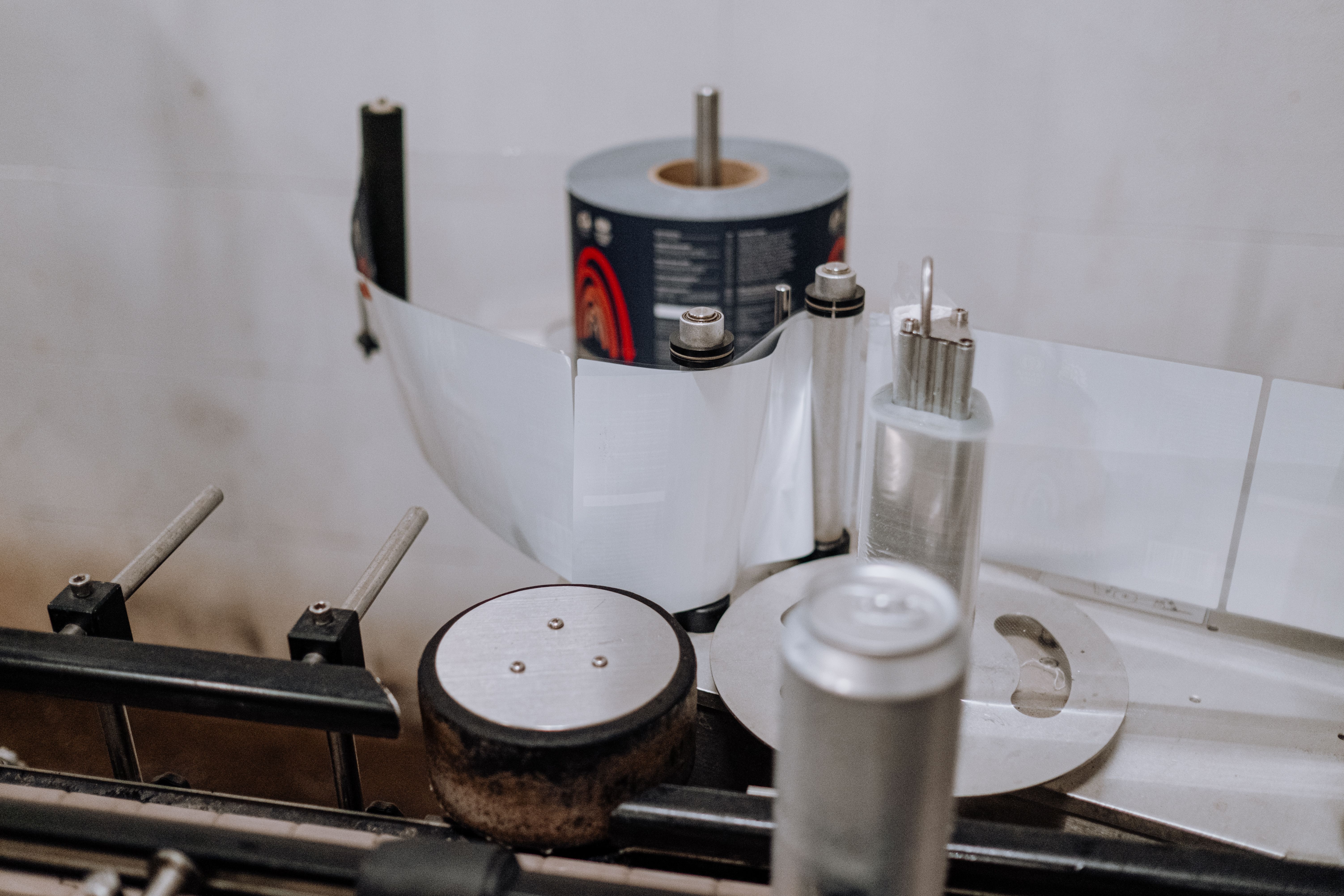
Continuous inkjet, thermal inkjet and laser coding systems can be integrated into production equipment. Automated systems are useful when hundreds or thousands of products move along a packaging line.
Depending on the equipment, codes can be updated automatically and printed as products pass a sensor. These systems involve higher initial investment and additional setup, but they reduce the amount of manual marking required.
How to Create a Batch Number That Works for Your Business
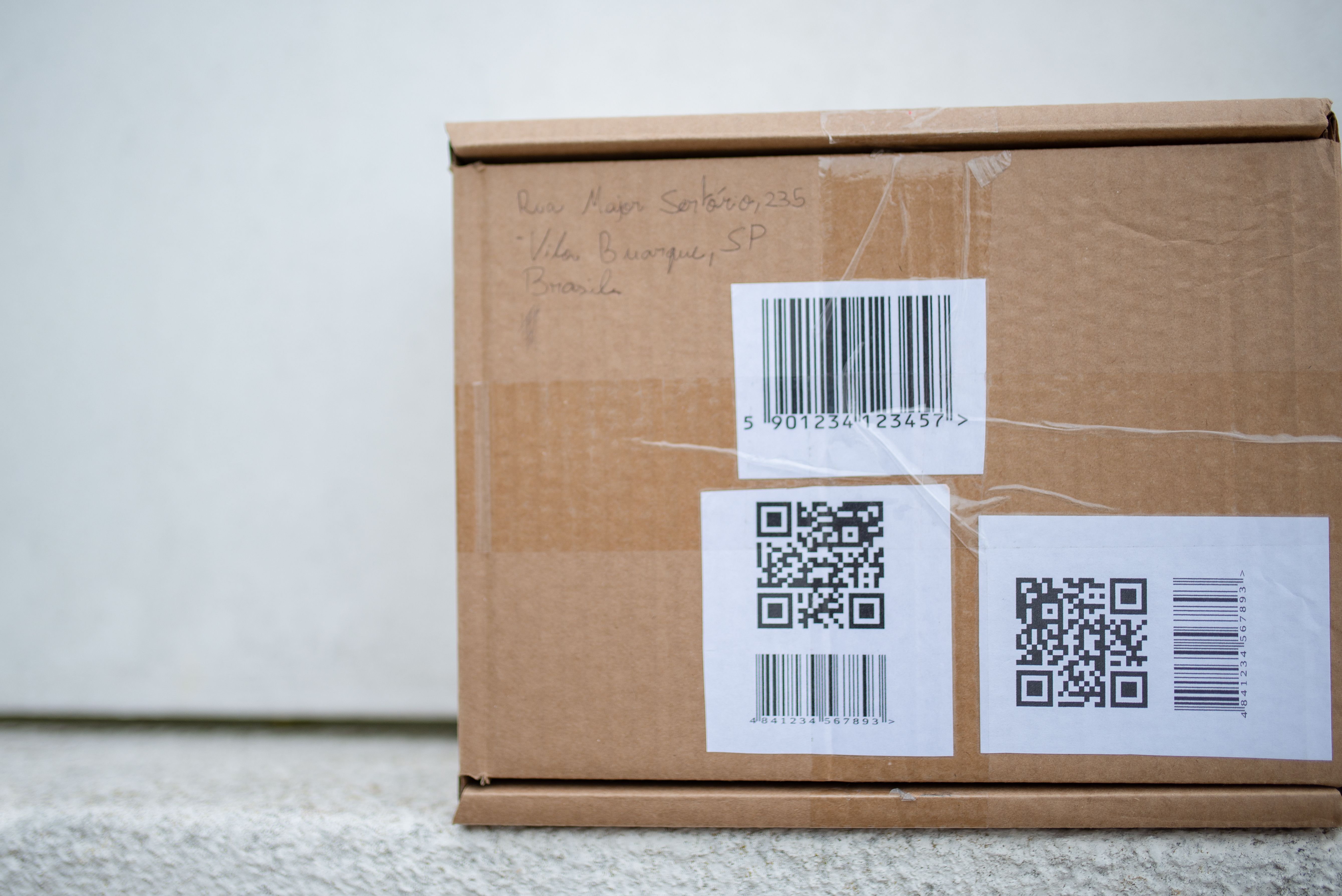
A batch number should connect the packaged product to reliable manufacturing records.
There is no single code structure suitable for every business. Some manufacturers use production dates, facility identifiers, production line numbers or sequential numbers.
For example, a hypothetical code such as LOT 261105-A could identify products manufactured on November 5, 2026, during production run A.
The structure is only an illustration. Businesses must establish their own system according to product requirements and traceability procedures.
A useful batch numbering system should follow several principles.
- Every code must identify the correct production batch.
- The same code should not be reused in a way that creates confusion.
- Employees should know how to assign and verify codes.
- Manufacturing records must connect the code to the relevant products.
- The printed code should remain readable during normal handling and storage.
A batch number becomes useful only when the business maintains records explaining what it identifies.
For example, manufacturers may record production dates, ingredient or material lots, equipment used, quantities produced and quality control results. The FDA’s additional food traceability records rule outlines lot-code and recordkeeping requirements for certain foods.
The GS1 identification system also provides standardized application identifiers for products using compatible barcodes. Identifier 10 represents a batch or lot number, while identifier 17 represents an expiration date.
Those identifiers matter when businesses need to exchange standardized information with retailers, distributors and other supply chain partners.
How to Determine the Correct Expiration Date

Businesses should never choose expiration dates simply because a particular shelf life sounds reasonable.
The date must be based on relevant evidence and applicable product requirements. Depending on the product, manufacturers may need stability studies, testing, storage assessments or other supporting information.
Some products deteriorate because of moisture, temperature changes, light exposure or chemical reactions. Packaging materials can also affect shelf life.
For example, a product stored in a sealed container may behave differently after opening. A protective package can reduce exposure to environmental conditions, but it cannot guarantee unlimited shelf life.
Regulatory requirements also vary.
In the United States, the Food and Drug Administration explains that federal law generally does not require quality-based date labels on packaged foods, with infant formula being an important exception. Other federal, state and product-specific requirements may apply.
Cosmetics, pharmaceuticals, medical products and other regulated goods have their own rules. Manufacturers should verify the requirements for their product category and intended market before finalizing the label.
When a date is required or voluntarily provided, the wording should accurately describe its meaning. A best before date should not be presented as an expiration date without an appropriate basis.
Where Should Batch Numbers and Expiration Dates Be Printed?
The code needs to be visible without interfering with mandatory labeling, instructions or safety information.
Common positions include bottle shoulders, container bottoms, carton flaps, pouch seals and designated areas on product labels.
Each location has advantages and limitations.
Position the code where customers and employees can locate it without damaging the package.
Avoid curved sections that distort characters, areas likely to rub against equipment and surfaces that become hidden after assembly.
Step by Step Process for Printing Batch Codes and Dates

Once the code format and printing method are established, businesses need a repeatable procedure.
- Confirm the required information. Identify the batch number, relevant date and any additional mandatory markings.
- Prepare the packaging. Make sure the printing area is suitable for the selected method and free of contamination that could affect adhesion.
- Enter the correct code. Update the printer or labeling system using approved production records.
- Print a test sample. Check the text, date, position, size and readability before starting the batch.
- Check durability. Confirm the marking remains readable after the ink dries and during representative handling.
- Begin production. Print or apply the code to each required unit.
- Inspect finished products. Look for missing, incorrect, blurred or incomplete markings.
- Record the completed run. Connect the production batch with the code used and relevant quality checks.
Additional checks are particularly useful after a printer cartridge change, equipment adjustment or change in packaging material.
Make Every Batch Easy to Identify
Batch numbers and date markings are small details with important consequences for manufacturing, distribution and product traceability.
Small businesses can begin with adhesive labels or portable inkjet equipment. Larger operations may benefit from automated coding systems that integrate with their packaging lines.
Whatever method is used, the same priorities apply. Assign accurate codes, establish dates using appropriate evidence, test the printing process and maintain reliable records.
A readable code is useful to customers. A readable code connected to accurate production records is useful to the entire supply chain.