
Environmental projects rarely face one approval and one decision-maker. A wind farm, road, dam or restoration scheme may need planning consent, environmental assessment, water or emissions permits, protected-species approvals, land access and consultation, with separate rules for construction and operation. The difficult part is often not finding a rule; it is understanding which process applies, when it must happen, and whether the project can actually deliver the mitigation it promises.
The most reliable approach is to treat legal compliance as part of project design, not a document package assembled after the layout is fixed. The assessment can identify constraints, but it does not automatically grant every permit or make an unworkable design acceptable.
Map the legal terrain before fixing the design
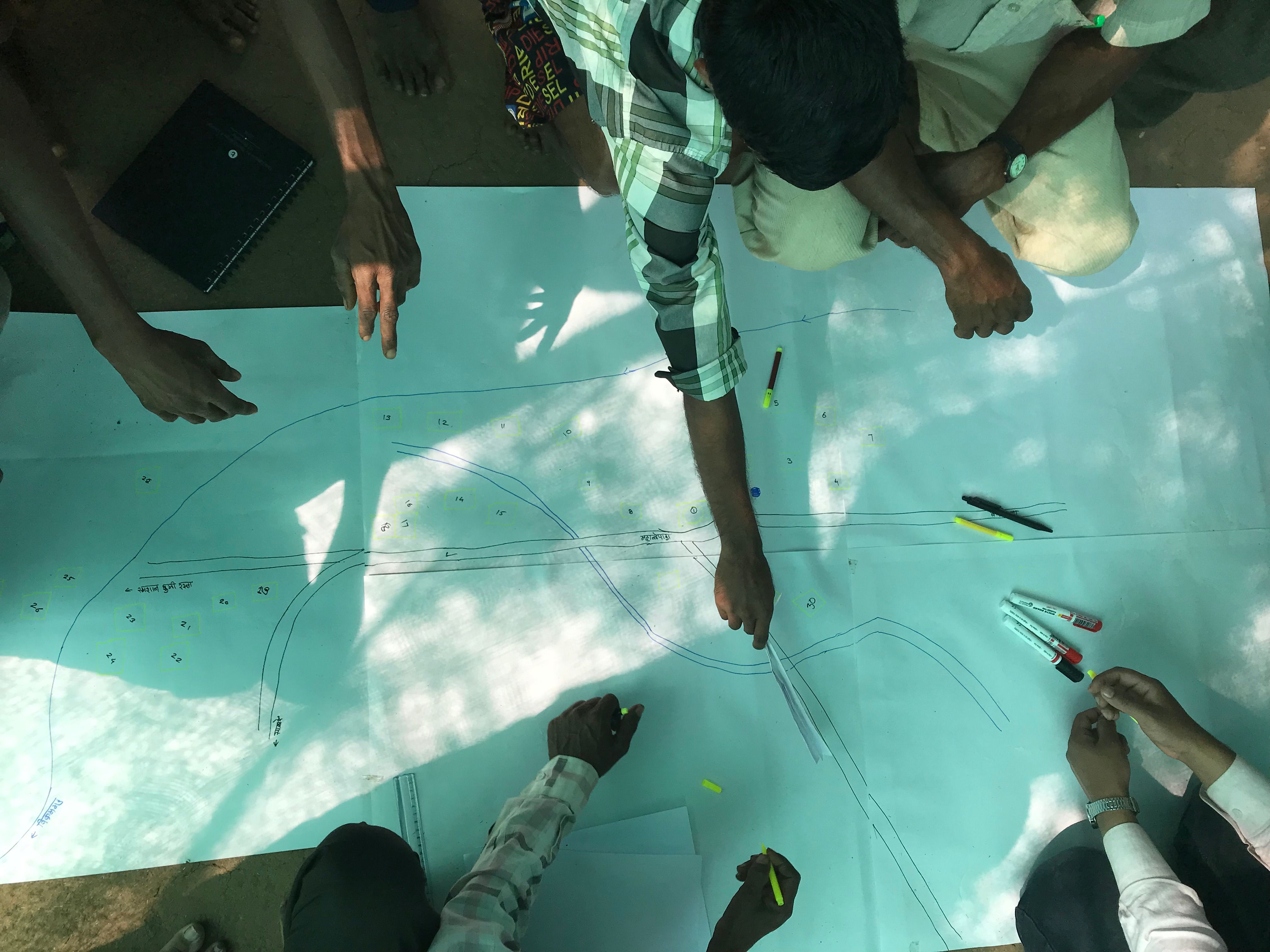
Start with a project description that is specific enough to test against legal triggers: location, footprint, capacity, access routes, construction methods, operating life, associated infrastructure and likely changes over time. A line drawn around the main facility can miss the access road, grid connection, borrow pits, drainage works or temporary construction areas that create separate effects and approvals.
Then build a legal and approvals register for each jurisdiction and parcel. It should identify the authority, the decision or permit required, the application inputs, dependencies, consultation steps, responsible owner and expected decision window. Include conditions that could apply after consent; a permit is not the end of compliance.
- Confirm who owns each decision: planning authority, environmental regulator, water authority, heritage body or another agency.
- Check land rights and access separately from environmental permission. A public approval does not necessarily grant private rights to enter or use land.
- Record which application depends on another decision, and which technical studies must precede design freeze.
This register is more useful than a list of statutes alone. It turns legal obligations into a programme that engineers, ecologists, planners and construction managers can act on.
Screen, scope and assess what matters
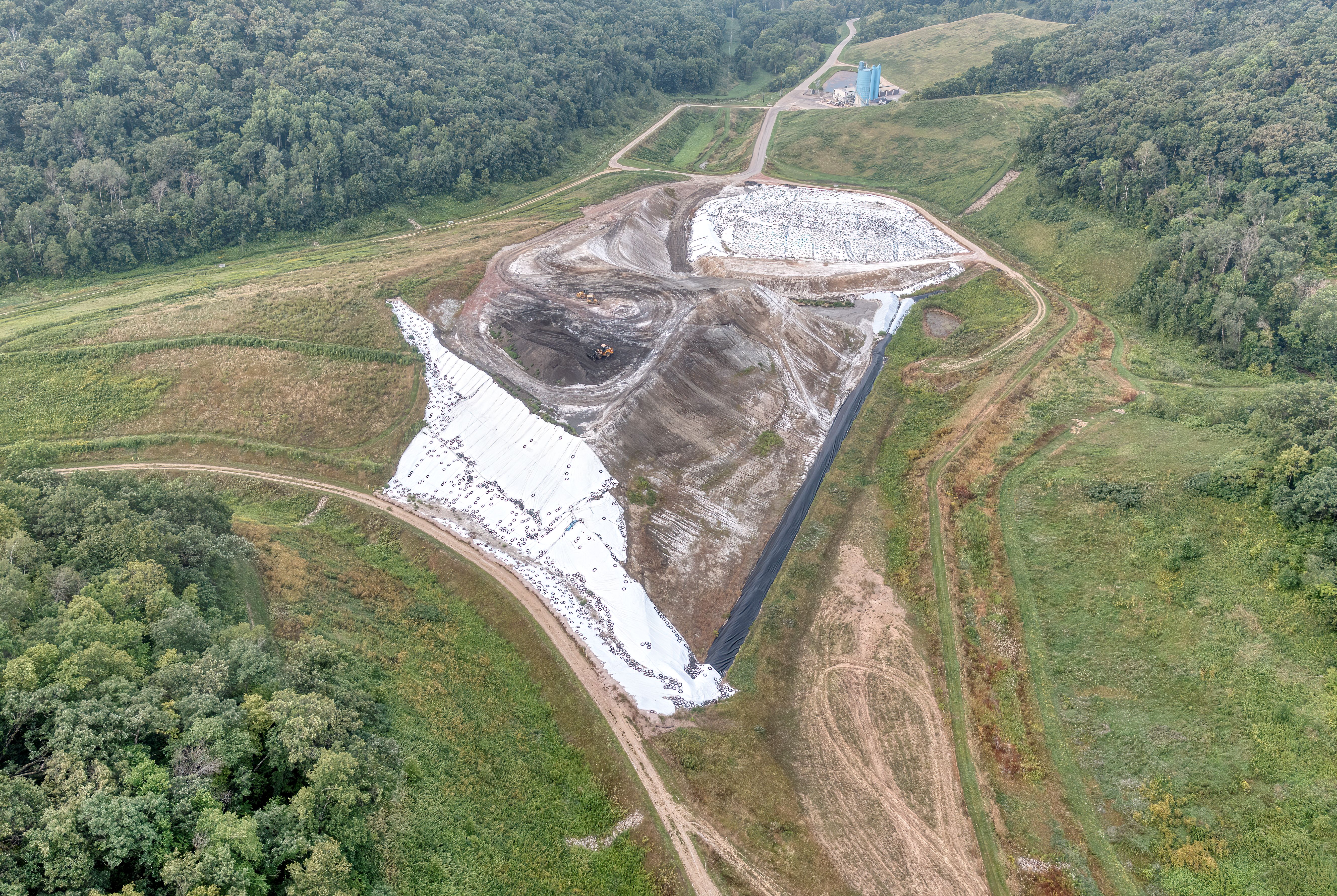
Environmental impact assessment (EIA) asks whether a project may cause significant environmental effects and, if so, how those effects and reasonable alternatives should be examined before approval. Screening determines whether a formal assessment is required; scoping sets the topics, geographic area and level of detail. These are distinct steps, and a screening decision should not be mistaken for a blanket finding that every separate permit requirement is satisfied.
The details differ by jurisdiction. In the European Union, some categories of project require assessment, while other categories are screened using national criteria or a case-by-case decision. A project report addresses matters such as the proposal, likely significant effects, reasonable alternatives and measures to avoid, prevent, reduce or offset impacts. In the United States, NEPA review applies to qualifying federal actions and can follow different levels of analysis. The comparison below illustrates why teams should confirm the governing process rather than assuming every country uses one EIA model.
In practice, scoping is where a project can save time without cutting corners. Define baseline surveys and study areas early, and document why a topic is included or excluded. Seasonal ecology, migratory species, hydrology or noise can require data collection across a particular period. If the study begins after the design is fixed, the team may discover a constraint when there is no affordable alternative left.
The table compares core assessment checkpoints, not a complete list of permits. Local implementing rules and project-specific thresholds still need checking.
Assessment is strongest when it changes a decision. If an alternative is dismissed, explain why in a way that can be followed; if mitigation is relied on, identify who will deliver it and how it will be secured. A report that describes effects but cannot connect its conclusions to the final design leaves an avoidable gap.
Coordinate the permits that sit beside assessment

An environmental statement is not a universal permit. A project can complete impact assessment and still need approvals for water abstraction or discharge, wetlands, air emissions, waste handling, protected species, construction activity or contaminated land. Which ones apply depends on the site, activity and governing law.
Map these interfaces against the actual programme. For example, a discharge permit may need engineering detail that is not available at initial planning, while a species licence or seasonal work restriction can affect the construction sequence. Avoid treating all approvals as parallel paperwork: one authority’s conditions may alter the design another authority is assessing.
- For each permit, list the trigger, supporting technical information and required decision date.
- Identify shared assumptions, such as drainage calculations, traffic volumes or construction boundaries, and keep them consistent across submissions.
- Track permit conditions in a single register with a named owner, due date, evidence requirement and change-control route.
The aim is not to maximize the number of reports. It is to prevent the same unresolved question from being answered differently in separate applications.
Make consultation and evidence useful
Consultation is not just a statutory notice period. Local residents, landowners, Indigenous communities where relevant, and technical agencies may hold information that changes the assessment: seasonal flooding, a local water use, a species observation or the practical impact of construction traffic. Give people clear maps, explain what is still open to change, and record how substantive responses affected the proposal.
A defensible evidence trail links each material issue to its source, assessment, response and design consequence. Keep dated survey records, model assumptions, meeting notes, updated drawings, consultation responses and the reasons for decisions together. If data changes, record which conclusions need review; do not allow a newer design to rely on an older baseline by accident.
This does not mean every objection must change the project. It means the decision-maker and affected parties should be able to see that the concern was understood, assessed and answered with reasons rather than overlooked.
Turn commitments into controls that survive construction
Promises in an assessment can become legally significant when written into a consent, permit, management plan or contract. A commitment should be specific enough to implement and verify: what action is required, where it applies, who is responsible, when it must happen, and what evidence demonstrates completion.
Translate each commitment into construction controls before work starts. This can mean exclusion zones on issued-for-construction drawings, permit-to-work checks, ecological supervision, monitoring thresholds, stop-work triggers and a process for notifying regulators when an incident occurs. The field team needs the current obligations, not an old appendix buried in an assessment.
Change control matters just as much. If a contractor proposes a different access route, laydown area, discharge point or construction method, check whether that change affects the assessment, consent conditions, permits or consultation commitments before approving it. A modest site change can shift an impact to a different habitat or parcel and trigger a fresh approval question.
Plan for challenge, change and long-term responsibility
Environmental disputes can arise after approval, over the adequacy of assessment, compliance with conditions, harm to affected communities or who has authority to act for claimants. The environmental litigation coverage of the Mariana Dam claims illustrates that complex environmental litigation can involve not only liability and alleged harm, but also representation, funding and continuity for a large claimant group. For project teams, the practical lesson is to preserve records and make responsibilities clear; a public consent does not erase later legal exposure.
Before closing construction, confirm that all conditions due at that stage are discharged, monitoring is in place, outstanding corrective actions have owners, and operational staff have the current permit conditions. Some duties continue for years, including monitoring, reporting, restoration or maintenance. Handing over the asset without handing over those obligations creates a compliance gap on day one of operation.
Complex environmental requirements become manageable when the project treats law, design and delivery as one coordinated system. Start early enough to keep alternatives real, connect each approval to the information it needs, and make every mitigation promise traceable to an owner and a piece of evidence. The result is not simply a thicker application; it is a project whose approvals can still be followed in the field.