Farming went high-tech in a hurry. Sensors sit buried in the dirt. Tractors steer themselves down rows straighter than any human could manage. Sprinklers kick on because a number told them to, not because somebody guessed the soil felt dry.
Sounds like a farmer’s dream, right? Well, there is a catch nobody put on the brochure. Underneath all that gleaming equipment hides a headache that sinks more operations than folks care to mention. Getting each gadget to actually talk to the next one turns out to be brutally hard.
Why Fields Are So Tricky
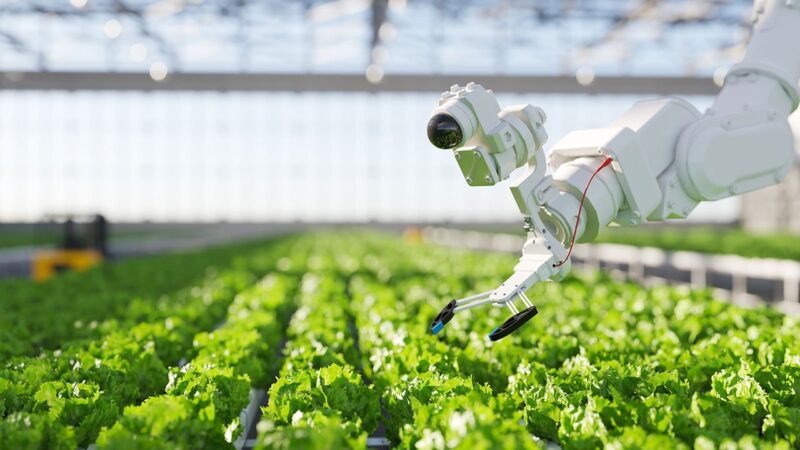
Compare a farm to a factory for a second. The factory has it easy. Everything crammed together, one roof overhead, all of it plugged into the same wires and the same network. A farm? The total opposite. Hundreds of acres, sometimes thousands. Rolling hills.
Thick treelines swallowing signals whole. Barns sitting half a mile from each other, like they had a falling out. A signal that flies across an office in the blink of an eye can drag to a dead crawl out past the last fence post.
Cell bars vanish the moment you turn off the main road. Wi-Fi? It gives up somewhere around the farmhouse steps. So all that brainy equipment ends up stuck out there, piling up data with no way to ship it back. Without communication, a sensor is as good as a rock.
Bridging the Gap
Small wireless units can pull data off equipment way out in the field and send it back over cellular or satellite. Even where Wi-Fi has not reached in living memory.
Tools that fold wireless for OPTA controllers into the picture change everything. Companies like Blues IoT have proven how plain, dependable hardware can stitch scattered machines together without a rat’s nest of cables or a jaw-dropping invoice.
These little boxes handle the grunt work without any fuss, turning a mess of lonely devices into one connected crew. That forgotten sensor out in the far corner? It finally has a voice.
It ships its readings back, the system answers, and the farm hums along the way somebody imagined it would.
Keeping It Simple for Everyone
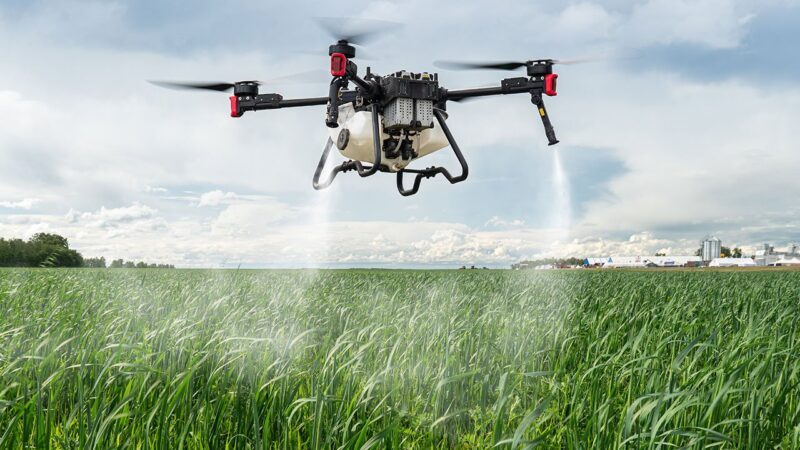
Farmers run flat out. Nobody has spare hours to fight with a baffling tech install squeezed between planting and harvest. So the best connection tools keep everything dead simple. Snap it in. Trust it. It just keeps going, day after day, thr
Farming went high-tech in a hurry. Sensors sit buried in the dirt. Tractors steer themselves down rows straighter than any human could manage. Sprinklers kick on because a number told them to, not because somebody guessed the soil felt dry.
Sounds like a farmer’s dream, right? Well, there is a catch nobody put on the brochure. Underneath all that gleaming equipment hides a headache that sinks more operations than folks care to mention. Getting each gadget to actually talk to the next one turns out to be brutally hard.
Built to Take a Beating
Farm gear leads a rough life. Mud, moisture, fluctuating temperatures, and the occasional bump from a tractor tire. Whatever connection hardware you hang out there had better shrug all of it off.
The scrappy little devices doing this job are built to outlast the field, not to look pretty on some tidy office shelf.
Conclusion
Automation only earns its keep when every last piece stays in touch. Out on a sprawling spread of farmland, that connection is far and away the toughest part of the whole puzzle.
Crack it with smart, sturdy wireless tools, and all of a sudden those clever machines start pulling in the same direction. Data moves, crops get exactly what they crave, and the farm finally runs like the modern operation somebody dreamed up in the first place.
ough bad weather and dry spells and that super-hot July heat that melts your candy. Simple gear actually gets used. A tool rotting in a box because nobody cracked the manual helps exactly no one. But a device that clicks into place and starts spitting out data right off the bat earns back its price in no time.