
Rising energy costs make lighting efficiency a priority for small business owners and home office professionals alike. Modern lighting technology offers dramatic energy savings without compromising illumination quality or aesthetics. Strategic upgrades reduce electricity consumption while creating better lighting environments that improve mood and productivity.
Energy-efficient solutions lower monthly utility bills while supporting environmental sustainability goals. By transitioning to smart, efficient lighting systems, you achieve dual benefits of cost reduction and improved workspace quality that benefits both your bottom line and professional wellbeing.
LED Technology and Long-Term Savings
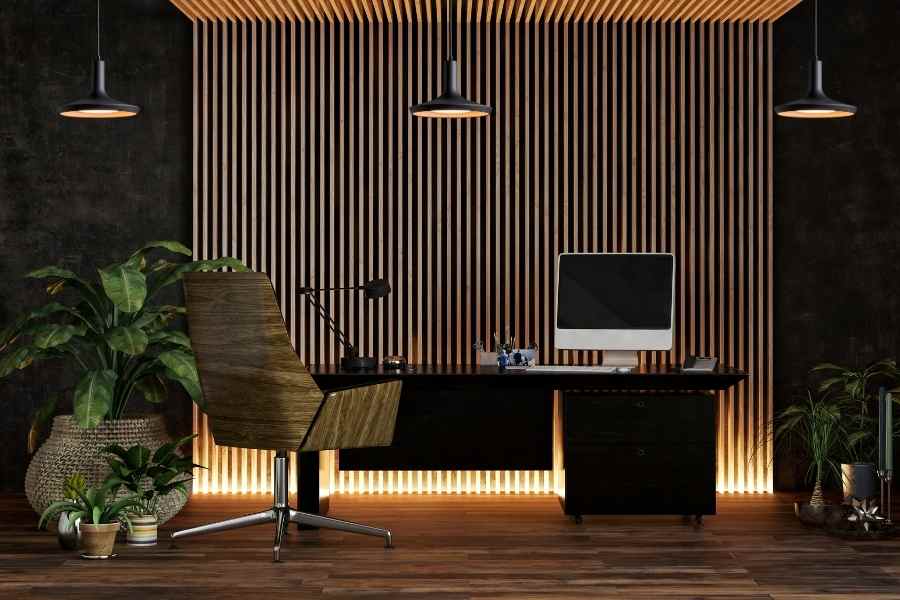
LED lighting represents the most significant advancement in energy efficiency, consuming up to 75 percent less energy than traditional incandescent bulbs while lasting significantly longer. This dramatic reduction translates directly to substantial cost savings over months and years of continuous operation.
LED bulbs generate minimal heat, reducing cooling costs during warmer months while maintaining superior light quality. Modern LEDs eliminate flickering associated with older technologies, reducing eye strain during extended work sessions. The extended lifespan means less frequent replacements, lowering maintenance costs and reducing environmental waste.
Upgrading existing fixtures to LED technology requires minimal investment compared to long-term savings potential. Small shops and home offices can achieve payback periods within months, after which every operating hour generates pure savings. The combination of lower energy consumption and extended durability makes LED adoption an obvious choice for cost-conscious spaces.
Smart Controls and Motion-Activated Systems
Intelligent lighting controls maximize energy efficiency by ensuring lights operate only when needed. Motion sensors eliminate wasted energy in spaces with irregular occupancy, automatically activating lights when people enter and dimming or shutting off during periods of absence.
Programmable systems schedule lighting based on time of day and occupancy patterns, optimizing energy usage throughout operating hours. Dimming capabilities allow automatic adjustment based on natural daylight availability, reducing artificial lighting needs during daytime hours. Smart controls provide granular energy management impossible with traditional on-off switches.
These systems payback their installation costs through reduced electricity consumption while improving convenience and workspace comfort. Remote controls and smartphone integration enable easy adjustments without manual switching, making energy-efficient lighting genuinely user-friendly rather than burdensome.
Reflective Design and Lighting Optimization
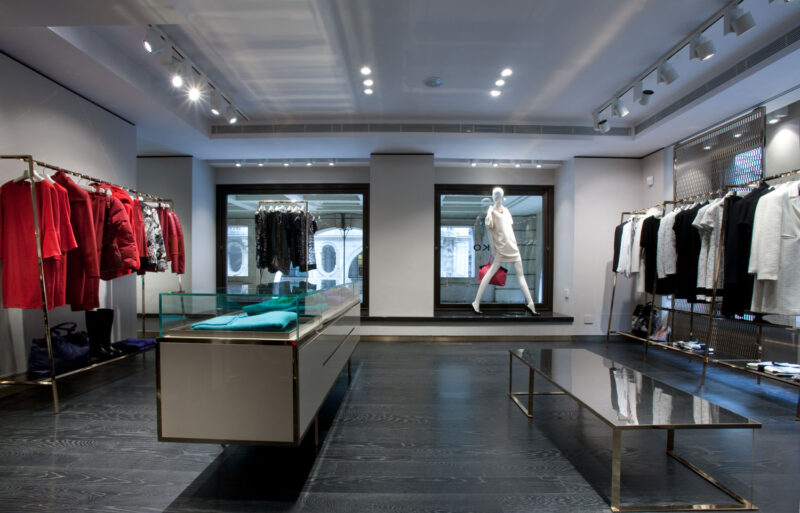
Strategic design choices amplify lighting efficiency by maximizing light distribution and minimizing waste. Light-colored walls and ceilings reflect illumination throughout spaces, reducing the number of fixtures needed to achieve adequate brightness levels.
Proper fixture placement and directional lighting focus illumination where needed most, eliminating energy wasted lighting empty spaces. Task lighting concentrates bright illumination on work areas while ambient lighting provides general visibility at lower intensity levels. This layered approach optimizes energy usage while maintaining superior working conditions.
Mirror placement and reflective surfaces create opportunities for natural light amplification, reducing daytime reliance on artificial sources. Skylights and strategic window treatments balance natural light access with privacy and temperature control, creating energy-efficient lighting that adapts to changing natural conditions throughout the day.
Conclusion
Energy-efficient lighting upgrades provide immediate cost savings while creating superior workspaces that support productivity and wellbeing. LED technology, smart controls, and strategic design work together to reduce energy consumption without sacrificing illumination quality or aesthetics.
Specialized solutions like energy-efficient custom neon signs offer branding opportunities while maintaining low power consumption, proving that style and efficiency aren’t mutually exclusive. These ambient elements enhance workspace personality while supporting sustainability goals and controlling operating costs.
For small shops and home offices, energy-efficient lighting represents one of the most practical upgrades available, delivering immediate financial returns alongside workspace improvements that enhance daily work experience.